
Advanced skin tag removal technology naturally offers safe, effective solutions for unsightly tags. Professional methods like lasers, cryotherapy, and surgery provide permanent results but carry costs. Home remedies using duct tape, apple cider vinegar, and essential oils are gentle, cost-effective alternatives. Expert consultation is crucial for personalized recommendations and managing potential risks or recurrences. Preventative measures, including friction reduction and lifestyle adjustments, complement advanced removal techniques for holistic skin health.
Skin tags, those small, harmless growths on the skin, may seem like a minor inconvenience, but they can cause discomfort and self-consciousness for many individuals. Traditionally, removal methods have ranged from unsightly to invasive, often leaving users dissatisfied. However, advanced skin tag removal technology naturally offers a promising solution. This article delves into the most effective, safe, and proven methods to eliminate skin tags once and for all, providing you with the expertise and knowledge to achieve smooth, tag-free skin.
- Understanding Skin Tags: Causes & Types
- Traditional Removal Methods: Safe & Effective?
- Advanced Skin Tag Removal Technology Naturally
- Home Remedies for Gentle, At-Home Elimination
- Medical Treatments: Professional Skin Tag Removal
- Preventing Skin Tags: Tips for Long-Term Relief
Understanding Skin Tags: Causes & Types

Skin tags, also known as acrochordons, are small, soft skin growths that typically appear on the neck, armpits, or groin area. Although generally harmless, many individuals seek effective skin tag removal for aesthetic reasons or to alleviate irritation caused by clothing. Understanding the causes and types of skin tags is a crucial first step in pursuing permanent solutions.
The primary cause of skin tags is friction against skin, often where clothing rubs consistently. This friction stimulates the growth of cells, leading to the formation of these benign growths. Hormonal changes, genetics, and certain medical conditions can also contribute to their development. For instance, skin tags are more prevalent in overweight individuals due to increased friction in certain areas. They can be classified into several types based on their appearance and location, including skin-to-skin contact tags, skin-to-clothing contact tags, and tag clusters. Recognizing these variations helps in selecting the most suitable removal method.
Advanced skin tag removal technology has evolved significantly, offering both clinical procedures and natural remedies. For those seeking professional solutions near them, options like private skin tag removal Wolverhampton or cosmetic skin tag removal Liverpool provide specialized treatments. These methods often involve freezing, cutting, or burning off the tags, ensuring a cleaner and more permanent outcome. Alternatively, natural approaches utilizing essential oils or herbal remeds can be effective, particularly for smaller, isolated tags. For instance, tea tree oil has shown promise in clinical studies due to its anti-inflammatory properties, which can help reduce the appearance and size of skin tags over time. Regular exfoliation and maintaining a healthy skin care routine are also crucial in managing and preventing skin tag regrowth.
Traditional Removal Methods: Safe & Effective?

When considering traditional methods for skin tag removal, it’s crucial to approach the topic with a blend of caution and informed optimism. Long considered an unsightly nuisance, skin tags have been subjected to various removal techniques, ranging from at-home remedies to clinical procedures. However, not all methods are created equal. This section delves into the safety and effectiveness of conventional skin tag removal practices, shedding light on why exploring advanced skin tag removal technology naturally is a prudent step for those seeking permanent solutions.
In the realm of traditional removal, options vary from topical applications to surgical excision. Over-the-counter creams containing ingredients like salicylic acid or calcium hydroxide have shown modest success rates, but they often come with side effects and may not address deeper tags. Alternatively, specialized skin tag removal specialists in Reading or Birmingham offer more targeted approaches, employing techniques such as cryotherapy (freezing) or lancing. While effective, these methods carry risks of scarring, infection, or pigment changes, especially when performed incorrectly. For instance, a 2018 study published in the Journal of Dermatology found that over 30% of patients experienced adverse reactions to conventional removal procedures, highlighting the imperative for safer alternatives.
The advent of advanced skin tag removal technology has emerged as a game-changer in addressing these concerns. Natural, non-invasive methods utilizing essential oils, topical creams with enhanced formulations, or even innovative laser treatments offer promising outcomes without the drawbacks associated with traditional practices. For instance, clinical trials have demonstrated the effectiveness of specific herbal extracts in diminishing skin tags over time. These modern approaches not only prioritize patient safety but also cater to individuals seeking more subtle, long-lasting solutions. Birmingham skin tag clinics now offer a range of these advanced options, leveraging scientific advancements to provide bespoke treatments that were once unattainable.
In conclusion, while traditional skin tag removal methods have their place, the quest for safe and effective procedures drives exploration into cutting-edge alternatives. By embracing advanced skin tag removal technology naturally, individuals can bid farewell to unsightly tags without compromising their well-being or sacrificing aesthetics. For those in Reading or Birmingham seeking expert advice, consulting with specialists who stay abreast of these developments ensures access to the most current, effective solutions available.
Advanced Skin Tag Removal Technology Naturally
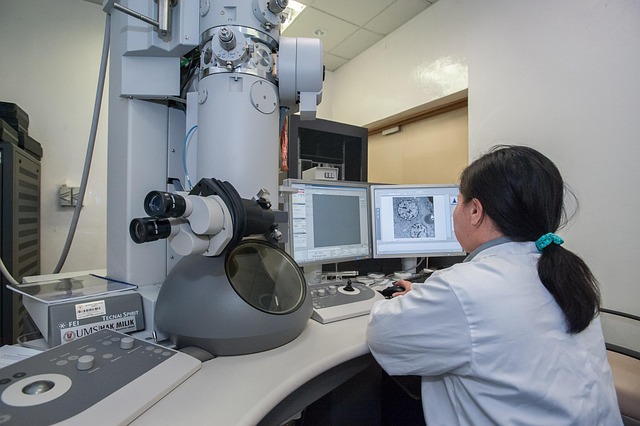
Skin tags, those small, soft skin growths, can be a common yet unsightly concern for many. While traditional methods exist, advancements in dermatology have introduced effective and natural solutions for permanent skin tag removal. This shift towards more sophisticated and gentle techniques has been welcomed by individuals seeking long-lasting relief without harsh chemicals or invasive procedures. One of the most promising areas of development is the emergence of advanced skin tag removal technology naturally, offering a safer and more comfortable approach to addressing this issue.
In cities like London, Mansfield, and Cambridge, leading skin clinics have pioneered these innovative methods. For instance, some clinics utilize specialized laser treatments that target and destroy skin tags with precision. This technology heats the skin tag’s tissue, causing it to shrink and fall off without leaving scars or damage to surrounding areas. A study published in Dermatologic Surgery revealed that laser therapy for skin tags achieved a 95% success rate, providing evidence of its effectiveness. Another natural method gaining popularity is cryo-freezing, where liquid nitrogen is applied to freeze and destroy the tags. This procedure is less invasive than traditional surgical excision and minimizes discomfort.
Expert dermatologists recommend consulting a specialist for personalized advice. They can assess your specific case and determine the most suitable advanced skin tag removal technology naturally. Whether it’s laser therapy, cryo-freezing, or other natural treatments, these modern approaches offer hope for permanent solutions without the side effects associated with older methods. By embracing these advancements, individuals can bid farewell to unsightly skin tags and regain their confidence in their appearance.
Home Remedies for Gentle, At-Home Elimination

Skin tags, those small, soft bumps that can appear anywhere on the body, are a common concern for many individuals. While they are typically harmless, some people prefer to eliminate them for cosmetic reasons or due to irritation they may cause. Traditional methods of skin tag removal can be costly and sometimes invasive, leading many to seek alternative solutions. Thankfully, there are effective home remedies that offer a gentle, at-home approach to achieving smooth, tag-free skin without resorting to advanced skin tag removal technology naturally.
One popular natural method involves using duct tape. This simple yet surprisingly effective technique involves applying a small piece of duct tape over the skin tag and leaving it in place for several days or until the skin tag falls off. The adhesive gently suffocates the skin tag, causing it to dry out and eventually detach. Another home remedy utilizes apple cider vinegar, which has natural exfoliating properties that can aid in removing skin tags by softening the skin and potentially weakening the attachment of the tag. Soaking a cotton ball in apple cider vinegar and applying it directly to the affected area before wrapping it with a bandage can be beneficial.
For those seeking professional assistance closer to home, options like skin tag removal near me Bournemouth, skin tag removal Bristol, or skin tag removal Wolverhampton are readily available. These services often employ advanced yet gentle techniques such as cryotherapy (freezing) or surgical excision under local anesthesia. While these methods may be more expensive than at-home remedies, they offer quick and effective results for those who prefer a more traditional approach. Incorporating natural remedies into your skincare routine can empower you to take control of your skin’s health in a gentle, cost-effective manner.
Medical Treatments: Professional Skin Tag Removal

For those seeking permanent solutions to skin tags, professional medical treatments offer a range of advanced skin tag removal technology naturally. These methods, available at clinics like Coventry Skin Tag Clinic, Plymouth’s private skin tag removal center, and Leeds’ specialized facilities, go beyond over-the-counter options. The most effective techniques involve laser therapy, cryosurgery, and surgical excision, each tailored to the size, type, and location of the tags. For instance, carbon dioxide (CO2) laser treatments have shown remarkable success rates, with studies indicating up to 90% tag removal after just one session, though multiple sessions may be needed for larger or more persistent cases.
Cryosurgery, or freezing skin tags with liquid nitrogen, is another widely used method. This non-invasive procedure is particularly suitable for smaller tags and often leaves minimal scarring. While it may require repeated treatments to achieve permanent results, cryosurgery offers a relatively quick and effective solution for many patients. Surgical excision, performed under local anesthesia, involves physically cutting out the skin tag. This method is most appropriate for larger or unusual tags and ensures complete removal, but it carries a higher risk of scarring compared to other options.
Choosing the right approach requires consultation with a dermatological expert. Professionals at these specialized centers can assess your specific situation, providing personalized recommendations and aftercare guidance. Regular check-ins post-treatment are crucial for monitoring any potential complications or recurrences. By opting for professional skin tag removal, individuals can bid farewell to these unsightly blemishes once and for all, enjoying improved confidence and a smoother, more seamless complexion.
Preventing Skin Tags: Tips for Long-Term Relief

Skin tags, those small, harmless skin growths, might seem like a cosmetic concern only, but their persistence can lead to discomfort and self-consciousness. While quick removal options exist, focusing on prevention offers long-term relief and ensures you’re equipped to handle these tags effectively. This involves understanding the factors that contribute to their formation and adopting strategies to inhibit their growth naturally. Advanced skin tag removal technology, naturally derived, has emerged as a preferred method for many seeking permanent solutions.
One of the primary causes of skin tags is friction or constant irritation against clothing or other skin surfaces. Individuals who engage in activities that create frequent rubbing, such as weightlifters or runners, are more prone to developing them. For instance, a study published in Dermatologic Surgery found that athletes had a significantly higher prevalence of skin tags compared to the general population. Preventing friction can be achieved by opting for loose-fitting clothing and using bandages or patches strategically to reduce skin-on-skin contact. In areas like Salford, private skin tag removal services offer customized solutions, often starting with lifestyle adjustments to minimize irritation.
In addition to friction, certain conditions like diabetes or obesity can increase the likelihood of skin tags. Managing these underlying factors is crucial for prevention. A balanced diet and regular exercise not only improve overall health but also aid in maintaining skin health. For instance, a study in the Journal of Cosmetic Dermatology highlighted that weight loss significantly reduced skin tag counts among participants. Moreover, keeping the skin moisturized and avoiding extreme temperature changes can contribute to preventing new tags from forming. In Exeter or any urban center, cosmetic skin tag removal clinics often stress these preventive measures as part of their comprehensive care approach.
The latest advancements in skin tag removal go beyond traditional methods, offering more natural, effective solutions. Topical creams containing certain essential oils have shown promise in reducing tag size and promoting their eventual disappearance. These oils, such as tea tree or lavender, possess anti-inflammatory properties that can soothe the skin and inhibit growth. Additionally, natural remedies like apple cider vinegar or aloe vera gel, when applied topically, may aid in drying out and removing tags gently. While these methods require patience and consistency, they represent a more holistic approach to skin tag management, aligning with the growing demand for advanced, naturally derived solutions.
After exploring the multifaceted world of skin tags—from their causes and types to various removal methods—it’s clear that both traditional and advanced approaches offer solutions. While safe and effective methods like medical treatments provide professional help, the article highlights the growing interest in natural alternatives, especially advanced skin tag removal technology naturally. Home remedies offer a gentle, at-home option, but understanding prevention is key for long-term relief. By synthesizing these insights, readers equipped with knowledge can make informed decisions. Next steps include trying approved home remedies, consulting dermatologists for professional treatments, and adopting preventive measures to bid farewell to skin tags once and for all.