
Skin tags, caused by cell proliferation due to friction, can be removed with advanced technology like lasers or surgery. Laser removal is a non-invasive, precise method taking minutes per session with minimal downtime. Surgical excision involves making a small incision, offering immediate results but carrying risks like infection and bleeding. Both methods provide effective, discreet solutions for unsightly skin tags.
Skin tags, those harmless yet often unsightly growths, can be a source of embarrassment. This article explores two advanced skin tag removal technologies: laser and surgical excision. By delving into their respective advantages, processes, risks, and results, you’ll gain valuable insights to make an informed decision for effective and safe skin tag removal.
- Understanding Skin Tags: Causes and Characteristics
- Laser Removal: Advantages, Process, and Recovery
- Surgical Excision: Techniques, Risks, and Results
Understanding Skin Tags: Causes and Characteristics
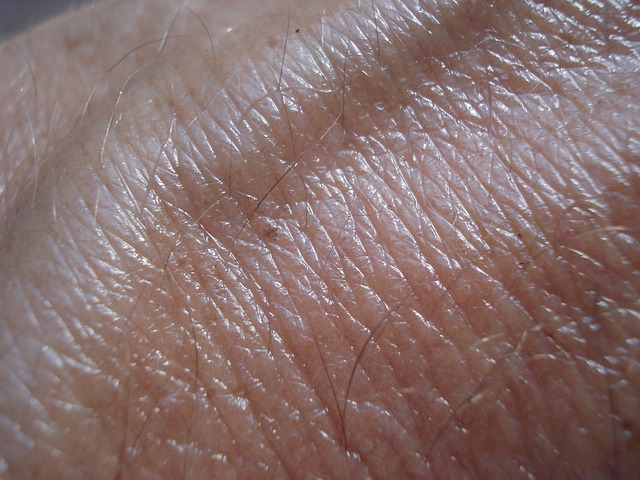
Skin tags, also known as acrochordons, are small, soft pieces of skin that hang off the body’s surface. They typically appear in areas where skin rubs against itself, such as the neck, armpits, groin, and hands. While they are usually harmless, many individuals opt for skin tag removal due to their unsightly appearance or discomfort. Understanding the causes and characteristics of these skin growths is essential when considering advanced skin tag removal technology like laser or surgical procedures.
Skin tags are generally caused by long-term friction or irritation, leading to cell proliferation and the formation of collagen and elastic fibers. They can vary in size, ranging from a few millimeters to over a centimeter, and often have a soft, cobblestone-like texture. Some individuals may have just a few scattered tags, while others might experience clusters that can be unsightly and irritating. Non-invasive skin tag removal near me, including private skin tag removal Leeds or Sheffield, offers effective solutions for those seeking discreet and convenient options.
Laser Removal: Advantages, Process, and Recovery
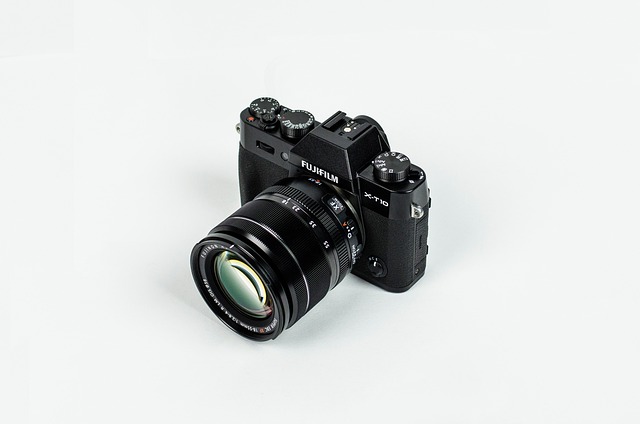
Laser removal offers a non-invasive approach to achieving smooth, clear skin. This advanced skin tag removal technology utilizes concentrated light beams to target and destroy specific skin tags without damaging surrounding tissue. The process is quick, typically taking just minutes per session, and can be performed in a private setting, such as a private skin tag removal Salford or Plymouth clinic.
During the procedure, a specialized laser device delivers pulses of light energy to the skin tag. This energy disrupts the blood supply, causing the skin tag to dry out and eventually fall off over time. Recovery is usually swift, with minimal downtime. Patients may experience some redness and mild irritation immediately after the treatment, but these symptoms are temporary. Many people choose this method for its precision, effectiveness, and the fact that it doesn’t leave scars, making it a popular choice for those seeking the best non-surgical skin tag removal.
Surgical Excision: Techniques, Risks, and Results

Surgical excision involves a dermatologist making a small incision to cut out the skin tag. This method is often considered for larger or more complex skin tags, or when other treatments haven’t been effective. Advanced skin tag removal technology, such as modern laser techniques, can also be employed by dermatologists during this procedure to ensure precise and clean cuts, reducing potential scarring.
While surgical excision generally offers permanent removal, it carries risks like infection, bleeding, and scarring. The recovery time is typically short, but patients may experience discomfort and bruising afterward. How dermatologists remove skin tags in Coventry or other locations varies based on the individual case, with the goal of achieving clean margins to prevent regrowth. This method provides immediate results, making it a popular choice for those seeking swift and effective skin tag removal.
When it comes to skin tag removal, both laser and surgical methods offer effective solutions. Laser removal provides a non-invasive approach with faster recovery time, making it a popular choice for those seeking minimal downtime. On the other hand, surgical excision offers precise results, suitable for larger or more persistent tags. Choosing the right method depends on individual preferences and tag characteristics. With advancements in skin tag removal technology, both options have become more accessible, ensuring beautiful, smooth skin without unsightly tags.